
The Psychology of Swag: Why High-Utility Promotional Items Drive Deep Brand Loyalty
In an era dominated by digital advertising, programmatic banner ads, and fleeting social media impressions, businesses face an uphill battle in capturing and retaining consumer attention. While digital campaigns are easily ignored, swiped away, or blocked, a physical, tactile object possesses a unique ability to break through the digital noise. This enduring marketing phenomenon is driven by the psychology of promotional products—the scientific study of how physical brand assets influence human behavior, memory, and brand perception.
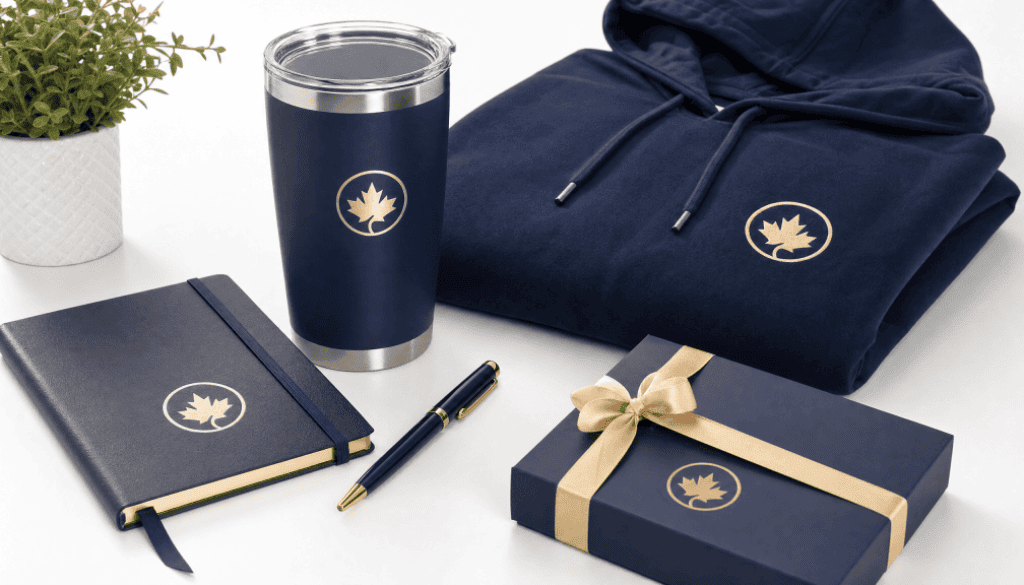
According to comprehensive research conducted by the Advertising Specialty Institute (ASI), promotional products represent the most highly regarded form of advertising, outperforming print, television, and digital ads in consumer favorability. When a business distributes a beautifully designed, highly functional item—such as a premium insulated tumbler, a custom jacket, or a high-quality writing instrument—it is not merely distributing a branded commodity. Instead, it is initiating a sophisticated psychological process that fosters deep, long-term brand loyalty.
This article explores the core psychological principles that explain why promotional products work and provides a strategic framework for selecting high-utility promotional items that maximize brand recall and drive sustainable customer acquisition in Canada.
The Principle of Reciprocity: The Engine of Swag
At the heart of the psychology of swag lies a fundamental social norm that has guided human interaction for millennia: the principle of reciprocity. First popularized by social psychologist Robert Cialdini, this principle states that when someone receives a gift, favor, or service, they feel a powerful, subconscious obligation to return the gesture.
In a corporate marketing context, when a company provides a high-quality, free gift to a client, prospect, or employee, it triggers a strong sense of goodwill and gratitude. The recipient does not view the item as an advertisement; they view it as a generous gesture. Consequently, when that recipient requires a product or service offered by your business, they are statistically far more likely to select your brand over a competitor as a subconscious way of returning the favor.
To activate the principle of reciprocity effectively, the promotional item must meet three distinct criteria. It must be valuable—not necessarily expensive, but possessing clear utility and high-quality craftsmanship. It must be unexpected—a surprise gift delivered outside of standard holiday cycles generates a far stronger emotional impact. And it must be personalized—tailoring the gift to the recipient’s lifestyle or interests demonstrates genuine care and attention.
The Mere Exposure Effect: Building Unconscious Familiarity
Why does a recipient who uses a custom coffee mug every morning consistently favor that brand? The answer lies in a cognitive phenomenon known as the mere exposure effect. This psychological principle dictates that people develop a strong, subconscious preference for things simply because they are familiar with them.
Every time a recipient glances at their custom-branded water bottle, a subtle, unconscious brand impression is registered in their brain. Over weeks, months, and years, this repeated exposure builds cognitive ease, making your brand feel safe, trustworthy, and familiar. According to promotional industry statistics, reusable drinkware is kept for an average of 12 months, generating over 1,400 brand impressions during its lifespan.
Strategic Selection: Matching Swag to Human Needs
To maximize the psychological impact of your marketing budget, you must transition from distributing low-cost, generic giveaways to curating high-utility promotional items that satisfy specific human needs. When an item is highly functional, it is integrated into the recipient’s daily routine, maximizing the mere exposure effect.
1. Physiological & Safety Needs: Hydration & Protection
At the most fundamental level, promotional items that support health, wellness, and hydration are highly appreciated. Reusable water bottles and insulated tumblers are excellent examples of high-utility items that recipients keep and use daily. Co-branding with premium retail leaders like Stanley or Hydrapeak immediately transfers their retail prestige to your corporate identity. Browse our full selection of custom water bottles and sports bottles to find the perfect hydration gift for your next campaign.
2. Social Belonging: Custom Apparel & Headwear
High-quality custom apparel, hoodies, and baseball caps satisfy the human desire for social belonging and community identity. When employees or clients wear your branded apparel, they signal their association with your community, turning them into highly visible brand ambassadors. Focus on modern, retail-inspired cuts and soft, sustainable fabrics that recipients will actively choose to wear outside of the office. Explore our range of custom apparel and headwear for your next team or client gifting campaign.
3. Esteem & Achievement: Premium Corporate Gifts
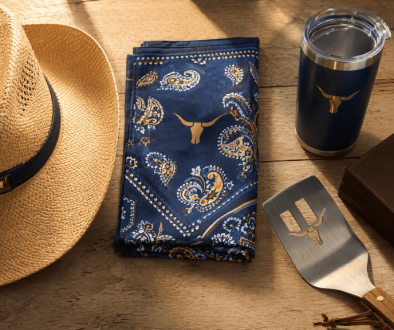
For executive clients, high-performing employees, or major partners, premium custom business gifts satisfy the need for esteem, recognition, and status. Gifting a beautifully engraved barbecue set or a high-end tech accessory communicates prestige and deep appreciation. Our Custom Sous Chef BBQ Set (3-Piece) is a perennial favourite for summer corporate gifting, combining professional-grade utility with elegant, custom-branded presentation.
Comparative Analysis: Digital Impressions vs. Tactile Swag
To illustrate the financial and psychological efficiency of physical merchandise compared to traditional digital marketing channels, we have compiled a comparison table below.
| Marketing Metric | Digital Banner Advertising | Tactile Promotional Merchandise |
|---|---|---|
| Primary Sensory Channel | Visual (2D Screen) | Multi-Sensory (Touch, Sight, Weight, Utility) |
| Average Lifespan | 1.5 Seconds (Scroll-past rate) | 8 to 14+ Months |
| Consumer Perception | Intrusion, interruption, annoyance | Gratitude, appreciation, value |
| Brand Recall Rate | Under 10% (Within 24 hours) | 85% (Over 12 months later) |
| Cost-Per-Impression (CPI) | High (Requires continuous bidding) | Low (One-time cost amortized over lifespan) |
| Core Psychological Driver | Attention-jacking, FOMO | Reciprocity, Mere Exposure, Cognitive Ease |
Conclusion: The Long-Term ROI of Tactile Marketing
The data is clear: physical promotional products are not merely decorative giveaways; they are highly effective psychological tools that drive long-term brand recall, foster deep customer loyalty, and deliver an exceptional return on investment. By focusing on high-utility promotional items that align with your audience’s daily needs and lifestyle, your business can build a permanent, positive presence in their lives.
Ready to leverage the psychology of swag for your next campaign? Browse our premium drinkware collection, explore our custom apparel range, or request a free quote from our branding consultants today.
Branded apparel turns every wearer into a walking billboard for your business. Before placing your next order, use our free Promotional Products ROI Calculator to see how many impressions your investment will generate and what that means for your marketing ROI.