
Fundraising Promotional Products in Canada: How to Raise Awareness and Revenue with Carefully Chosen Items
Fundraising Promotional Products in Canada: How to Raise Awareness and Revenue with Carefully Chosen Items
A fundraising product can do two jobs at once. It can create revenue for the cause, and it can make supporters visible in the community long after an event or campaign page closes. The product, however, has to earn that role.
The most successful fundraising merchandise is not simply branded inventory. It gives supporters something they want to use or wear, clearly connects to the mission and makes the financial purpose of the campaign easy to understand. When those elements align, a T-shirt, tote bag, water bottle or button can become a signal of belonging as well as a practical way to contribute.
This guide is for Canadian charities, nonprofits, schools, community groups and event organizers that want to use promotional products thoughtfully. It focuses on selecting useful items, building a transparent campaign, protecting margin and measuring both awareness and funds raised.
Start with the campaign’s real objective
Before choosing an item, decide what success means. Are you raising unrestricted funds, covering a specific project, attracting first-time supporters, thanking volunteers, growing event registrations or making the cause more visible in a local community? A merchandise campaign can support more than one goal, but one goal should lead the decision.
Nonprofit merchandising guidance recommends establishing the campaign purpose, selecting products that fit the mission and supporter interests, planning promotion and logistics, then tracking performance as the campaign runs.1 That sequence matters. If the campaign begins with “What can we put our logo on?” it often produces products people do not need and margins that are difficult to explain.
| Primary goal | What to prioritize | Good product directions |
|---|---|---|
| Raise net revenue | Clear margin, predictable fulfilment and realistic volume | Apparel, mugs, bottles, totes, pre-order bundles |
| Raise awareness | Public use, readable design and broad audience appeal | T-shirts, tote bags, buttons, reusable drinkware |
| Thank volunteers or donors | Useful quality and a personal connection to the cause | Apparel, notebooks, insulated drinkware, welcome kits |
| Support an event | Visibility on the day and a keepsake after it | Participant shirts, caps, badges, drawstring bags |
| Start conversations | A simple story and a low-friction way to engage | Buttons, stickers, pens, awareness cards with QR codes |
Choose merchandise people will genuinely use
Every item should pass the usefulness test: Would a supporter choose to keep or buy this if it were not tied to your organization? Products with everyday utility tend to give the campaign more opportunities for awareness because they travel through work, school, errands and community events.
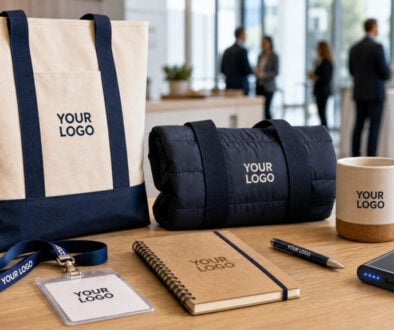
Fundraising merchandise sources commonly recommend apparel, tote bags, drinkware, stationery, magnets and practical desk items. Custom apparel works when the design is something supporters are proud to wear. Totes carry a message into public spaces. Drinkware creates repeated use at work, fitness and event settings. Small items such as buttons, pens and stickers can be excellent awareness additions, especially when used as a thank-you or bundled with a purchase.
The right product also fits the cause. An environmental project might choose a reusable bottle or tote. A literacy campaign could use a notebook or bookmark. An animal rescue might use pet-related items. A local community event may be best served by an event shirt that gives participants a shared visual identity.
Five principles for products that support both awareness and revenue
1. Lead with the mission, not the logo
Supporters should be able to understand the cause at a glance. Use a short, clear message that communicates the campaign’s purpose. Your logo can sign the item, but it does not need to dominate the design. A simple cause phrase, recognizable visual element and readable organization name often work better than a crowded front print.
2. Give people a product they can identify with
Merchandise can turn a private contribution into visible support. Fundraising platforms note that products can diversify giving options, strengthen supporter relationships and promote awareness because supporters carry the organization’s brand into daily life.2 Choose colours, sizing and formats that feel inclusive for your actual audience.
3. Keep the design simple and wearable
Strong fundraising designs usually have one idea. For example, a community walk shirt could use the event name, the cause and one striking icon. A tote might use a bold message that remains readable while the bag is being carried. Simplicity improves readability, reduces design risk and makes the product more likely to be used after the campaign.
4. Plan margin before promotion
Fundraising revenue is the money left after product, decoration, setup, shipping, payment processing, event costs and applicable taxes. Build a simple campaign worksheet before ordering. Define the unit cost, planned selling price, expected unit margin, break-even volume and fulfilment cost. If the numbers are not easy to explain internally, the campaign is not ready to launch.
| Planning question | Why it matters |
|---|---|
| What does each item cost when decorated and delivered? | Prevents the margin from disappearing after the order is placed. |
| What price will supporters see? | Lets you test affordability against the target audience. |
| How many units are needed to break even? | Sets a clear minimum sales goal. |
| How will orders be fulfilled? | Protects supporter experience and staff capacity. |
| What percentage of proceeds supports the cause? | Enables honest, clear campaign communications. |
5. Be transparent about the financial story
Do not leave supporters to guess whether a purchase is a donation, a retail sale or both. State exactly how the purchase supports the cause. Use accurate, consistent accounting when reporting results. Fundraising ethics standards emphasize truthful communications, accurate information and proper stewardship of funds.3
Important Canadian receipting consideration
For registered charities, merchandise can affect the eligible amount shown on a donation receipt because the purchaser receives an advantage. The Canada Revenue Agency explains that the eligible amount is generally the fair market value of the gift minus the fair market value of the advantage. It also describes an 80% intention-to-give threshold and a limited de minimis rule for nominal advantages.4
This is practical campaign guidance, not tax advice. Before promising tax receipts or calculating their value, confirm the plan with qualified charity, accounting or tax advisers. Make the receipt treatment clear before supporters buy.
Build a product lineup with clear roles
A focused campaign often performs better with two or three items than with an oversized catalogue. Give each item a distinct role: an accessible awareness piece, a core revenue driver and, if appropriate, a premium supporter option.
| Role | Example item | Why it works | Campaign use |
|---|---|---|---|
| Accessible awareness piece | Custom round tin button | Low barrier to participation and easy event distribution | Thank-you gift, add-on or volunteer identifier |
| Core revenue driver | Cause T-shirt or durable tote | Publicly visible and useful enough for repeated use | Pre-order campaign or event merchandise |
| Premium supporter item | Insulated bottle, hoodie or thoughtfully assembled kit | Offers an upgraded way to participate | Limited run, sponsor level or milestone reward |
| Useful add-on | Recycled paper pen or notebook | Practical and easy to bundle | Event registration or checkout add-on |
Promote the story before the product
Every social post, event sign and product page should answer three questions quickly: What cause does this support? What does the supporter receive? What happens to the funds? Use the same campaign language across platforms, but change the format for each audience.
On LinkedIn, speak to organizers, community partners and sponsors about campaign design, transparency and local impact. On Instagram, show the product in use and let the mission lead the visual. On TikTok and YouTube Shorts, create quick, human storytelling: a volunteer packing orders, a participant wearing the event shirt or a short explanation of what a purchase helps fund.
Use one unique landing page, short URL or QR code for the campaign. Add tracking tags to each social link. This makes it possible to identify whether awareness, revenue or sign-ups are coming from a particular product, partner or social channel.
Report back to supporters
A campaign should not end at checkout. Share what happened: units sold, funds raised, what the funds will support and a few photos of the products in the community. Transparent follow-up recognizes the supporters who made the campaign possible and gives them a reason to participate again.
Measure more than gross sales. Record net revenue, order volume, average order value, repeat buyers, email sign-ups, volunteer interest, QR scans and social reach. If awareness is the primary objective, product use and user-generated photos may matter as much as the revenue line.
Make the next campaign easier
Start with one audience, one campaign message and a small number of useful products. Set a transparent revenue goal. Test the creative and fulfilment process with a manageable run. Then keep the product mix and channels that supporters respond to.
Planning cause merchandise or an event fundraiser? Request a free CanPromos virtual mockup and quote for a product lineup designed around your audience and goal.
References
- Nonprofit Learning Lab, A Guide to Nonprofit Merchandising & Product Sales.
- Bloomerang, 3 Ways Fundraising Merchandise Attracts and Engages Donors.
- Association of Fundraising Professionals, Code of Ethical Standards.
- Canada Revenue Agency, Split Receipting.